

Cryogenic logistics
Dry-ice shipments at −70 °C; highly specialised liquid-nitrogen transport in Dewar vessels is arranged on request.

We transport dangerous medical goods by road and prepare them for air transport under the IATA DGR rules: class 6.2 biosamples, dry ice, reagents, alcohols.
Not every medical shipment is an ordinary parcel. Infectious biosamples, dry ice, reagents and alcohols are dangerous goods, which by law cannot be transported like everything else. They need separate rules, special packaging, trained people and approvals. We have all of this — we have been transporting such cargo in Russia for many years and know the regulatory requirements well.
ADR is the set of European rules for the carriage of dangerous goods by road: cargo is classified, packed and documented according to them. Infectious (biological) substances fall under class 6.2. If the cargo goes by air, the IATA DGR rules apply — the rules for the air transport of dangerous goods. We aim to take all of this complexity on ourselves: to classify the cargo correctly, pack it in our SafePack thermal container, prepare the documents and deliver it on schedule and at the required temperature.
We specialise in medical and pharmaceutical dangerous goods, where the safety rules and the temperature mode matter at the same time.
Infectious (biological) substances: blood, tissues, cultures, clinical trial materials. Class 6.2 under ADR requires special triple packaging and marking. We transport it with temperature control along the whole route and without opening the box. More: biomaterials transportation.
Solid carbon dioxide. It sublimates at about −78.5 °C and is used as a refrigerant for deep freezing; we label the transport mode as −70 °C. It is a dangerous good in itself (UN 1845 in air transport) and releases carbon dioxide. We calculate the quantity needed, prepare the documents and load it by the rules. More in the article “Dry ice −70 °C” and on the Cryogenic logistics page.
Laboratory reagents, diagnostic kits, solutions. Some of them fall under dangerous goods classes. We select the packaging and the temperature mode for the specific reagent.
Alcohol-based solutions, disinfectants and fixative liquids are flammable liquids. We transport them in certified packaging with correct marking and documents.
Dangerous goods cannot simply be loaded and carried. Every step follows the regulations, so that the cargo arrives safely and is ready for checks.
We determine the hazard class (for example, 6.2 — infectious substances) and the UN number. The packaging and documents all depend on it. A mistake here risks the shipment being refused, so we do it ourselves, carefully.
We select certified packaging and our SafePack thermal container with the right temperature mode — from +2…+8 °C to deep freezing on dry ice. Infectious samples travel in triple packaging, as the rules require.
We prepare the transport documents for dangerous goods, the marking and the hazard signs. For air transport — the set of documents under IATA DGR (the rules for the air transport of dangerous goods). We do the paperwork ourselves, so the client does not have to work through the regulatory requirements.
The cargo travels in our own vehicles with trained drivers. The SmartSensor logger records temperature, humidity, shocks and light throughout the journey. The data is read through receivers in vehicles and at warehouses or with a phone app; the PDF temperature report is kept in the request card in your personal account (Files tab) once it is attached to the order.
The table shows the general courier tariff before the dangerous goods surcharge. Confirm cargo classification and acceptance before dispatch.
| Destination | Transit time | Base tariff, up to 20 kg |
|---|---|---|
| Within Moscow | 1 day | 2 513 RUB |
| St Petersburg | 1–2 days | 4 121 RUB |
General courier tariff 2026: pickup in Moscow and the Moscow Region within the Central Ring Road (CKAD). Prices exclude VAT; add 22 % VAT. Contract customers use their agreed contract rate.
What is included
Dangerous medical goods are about approvals and responsibility. It matters that the carrier does as much as possible itself and knows the rules as well as the inspectors do.
A pharmaceutical licence to store and transport medicines, the Good Distribution Practice (GDP) standard and ISO. We handle dangerous goods documentation, including for air transport under the IATA DGR rules.
We have worked with dangerous medical goods for years: class 6.2, dry ice, alcohols, reagents. We classify, pack and prepare the documents ourselves instead of leaving it to the client, and we watch the paperwork closely.
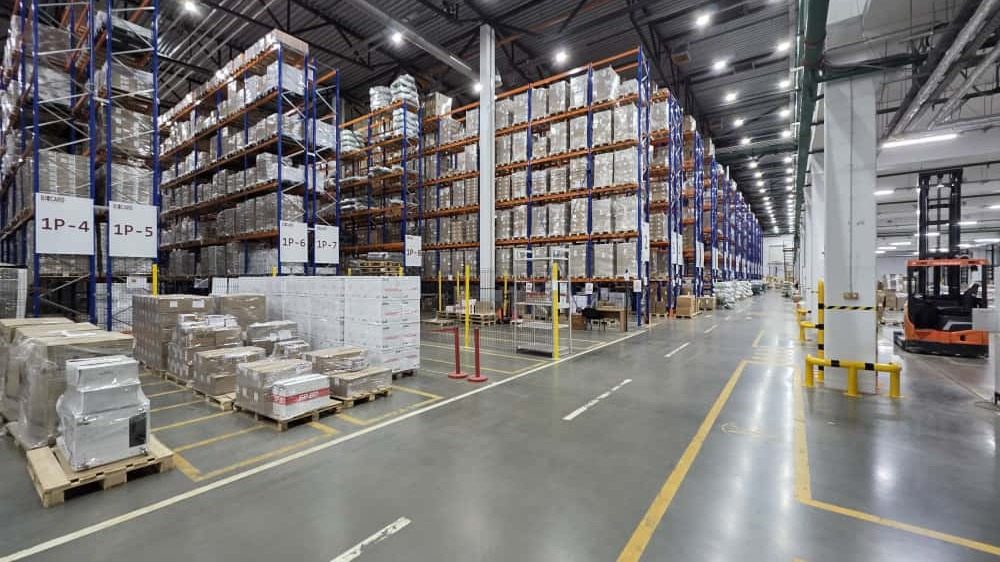
Our own IT team, fleet and a 30,000 m² Class A warehouse in Vyrubovo (Odintsovo, Moscow Region). We try to do as much as possible ourselves, turnkey — dangerous cargo travels under our control from door to door.
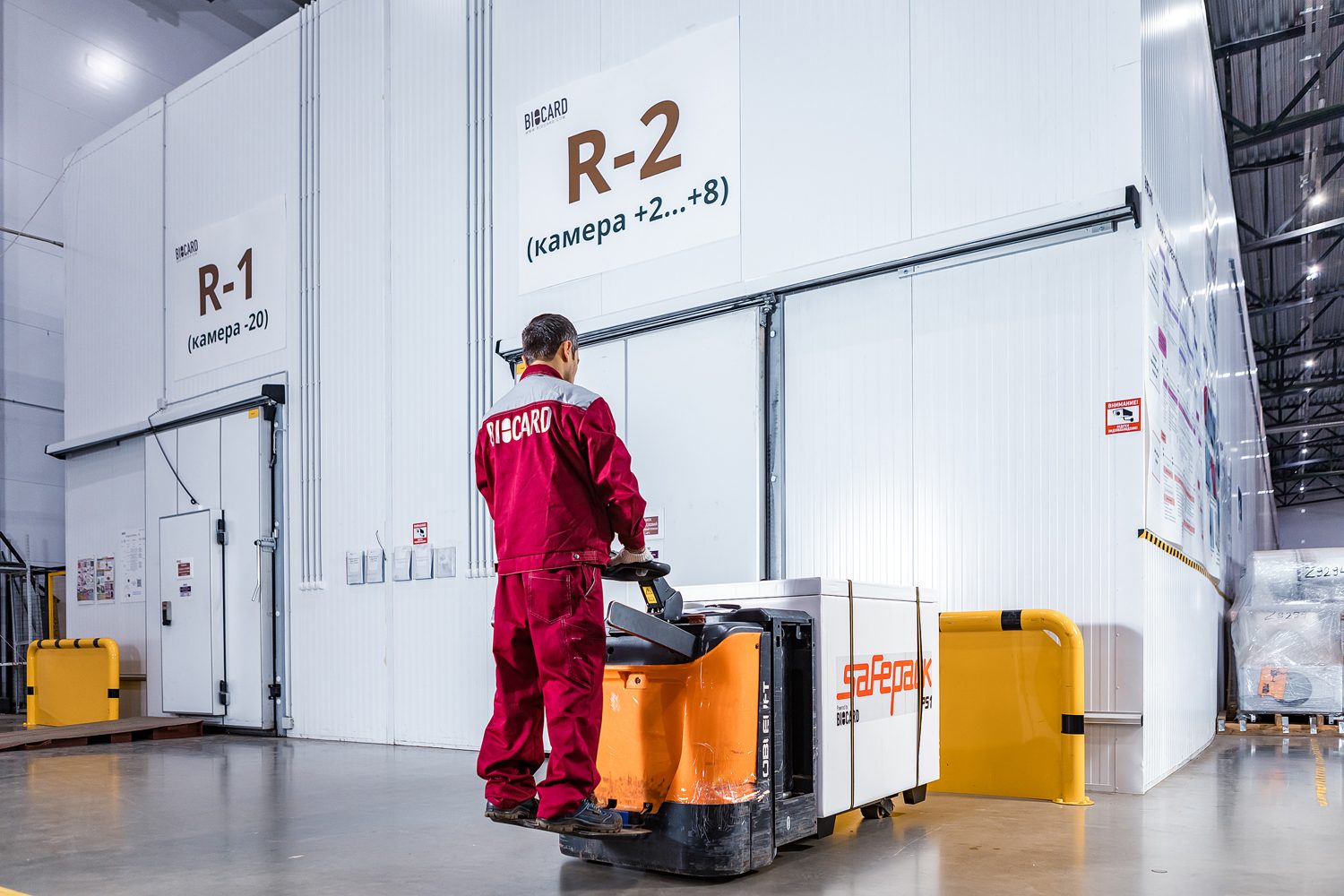
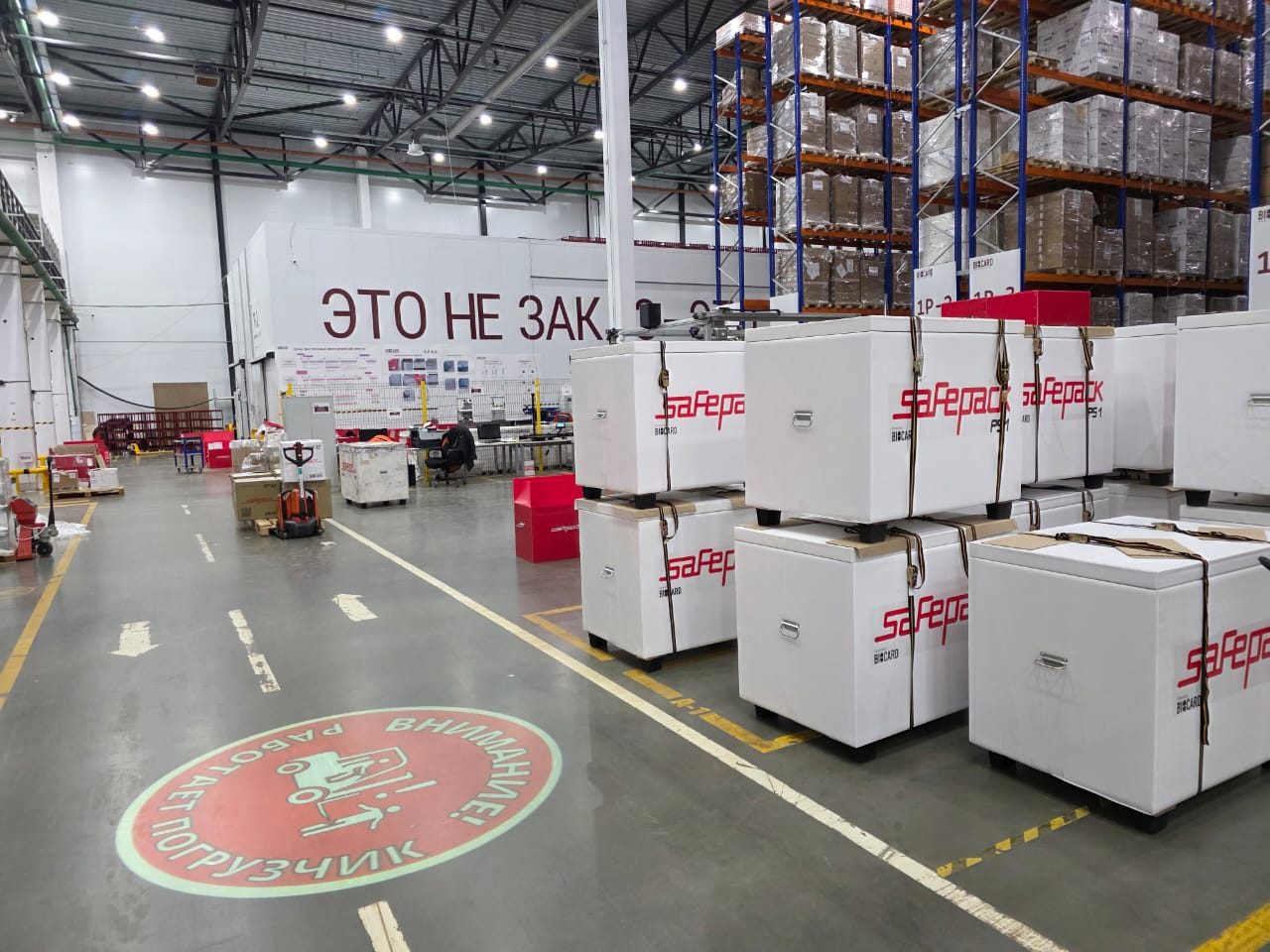
Dangerous medical cargo is almost always temperature-sensitive too. Our SafePack thermal containers hold the temperature mode without external power, and the SmartSensor logger records the whole route — the light reading even shows if the box was opened.
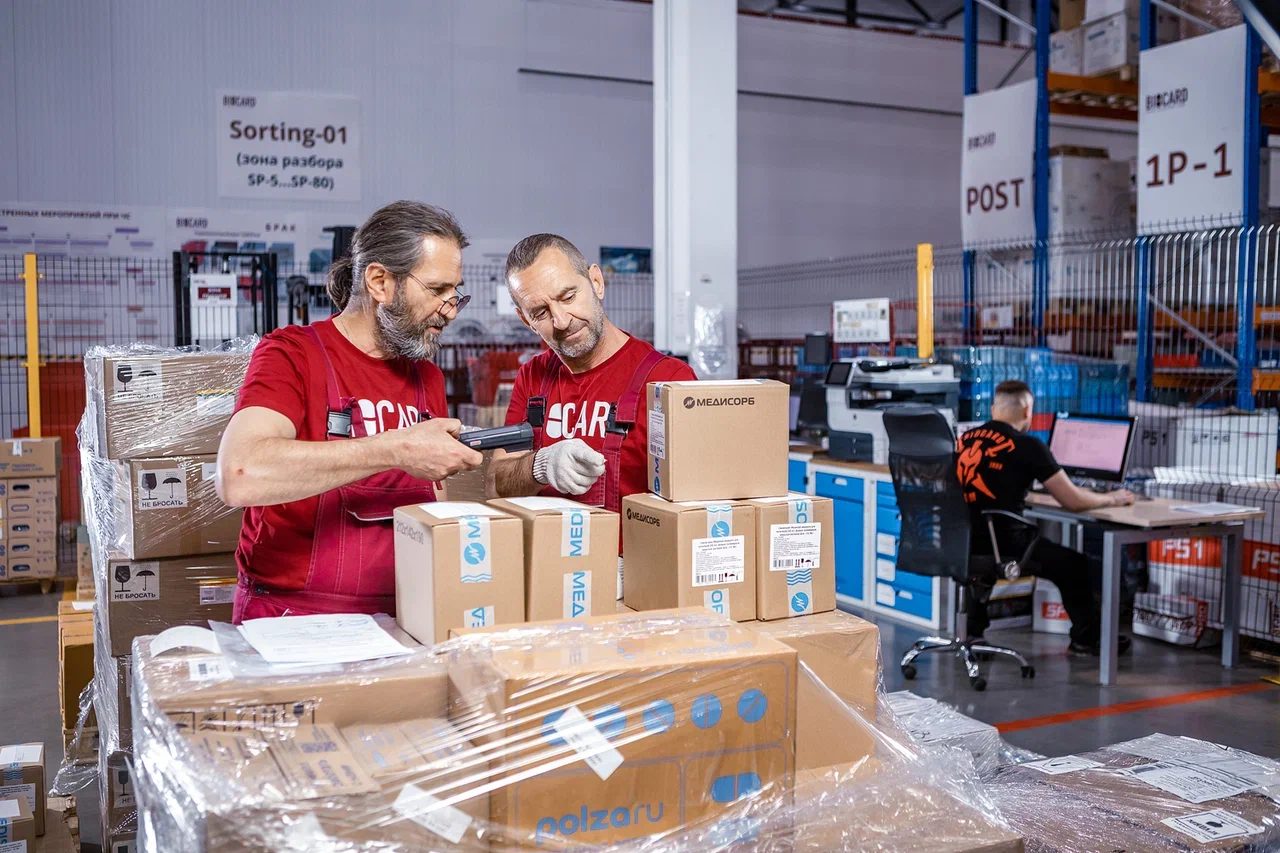
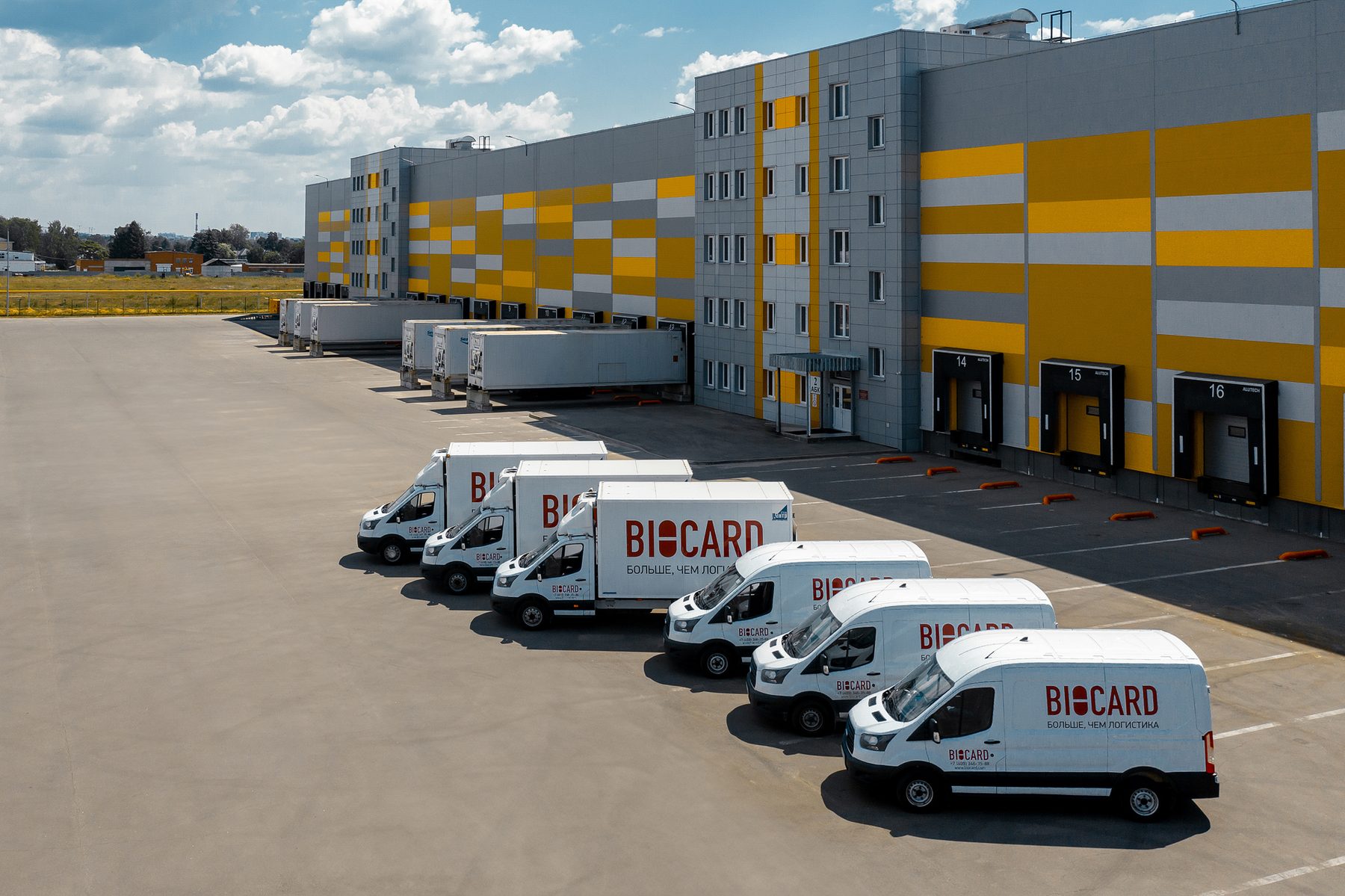
A Class A warehouse, SafePack thermal containers, scanner-assisted receiving and a branded fleet — the whole chain in one pair of hands.
Successful use of Safepack thermal containers… the best solution today in terms of transport reliability and optimisation of warehouse processes.
Lancet JSC, D. B. Kechko, Logistics Director · 16 April 2019
Among our clients:
Novo Nordisk, Astellas, Gedeon Richter, Lundbeck, Pharm-Sintez, Lancet, KRKA, Teva, Stada, Abbott, Sanofi
ADR is the set of European rules for the carriage of dangerous goods by road: how to classify, pack and mark the cargo and how to prepare the documents. Class 6.2 in these rules covers infectious (biological) substances: blood, tissues, cultures and clinical trial materials. We transport such cargo with the required packaging, documents and temperature control.
Yes. In air transport dry ice (solid carbon dioxide, which sublimates at about −78.5 °C) is treated as dangerous goods because it releases carbon dioxide. We calculate the right quantity, prepare the documents and load it by the rules, and it holds deep freezing well in our SafePack thermal containers. We label the dry-ice transport mode as −70 °C: as the dry ice evaporates, the temperature in the box rises.
Yes. For air shipments the IATA DGR rules apply — the rules for the air transport of dangerous goods. We classify the cargo correctly and prepare the packaging and the full set of documents so that it passes the airline's acceptance check, and we work to avoid delays. We take on the paperwork for dangerous goods going by air.
You need transport documents for dangerous goods stating the class and the UN number, hazard signs and correct marking, and for air transport the set of documents under IATA DGR. We prepare all of this ourselves. You do not need to work through the regulatory requirements — just hand us the cargo and its characteristics.
Class 6.2 biosamples travel in special triple packaging, as the rules require, and in our SafePack thermal container with the required temperature mode. Throughout the journey the SmartSensor logger records temperature, humidity, shocks and light — the light reading even shows if the box was opened. The data is read through receivers in vehicles and at warehouses or with a phone app; the PDF temperature report is kept in the request card in your personal account (Files tab) once it is attached to the order.
We will tell you the hazard class, choose the packaging and the temperature mode, prepare the documents and deliver with our own vehicles — under the ADR and IATA DGR rules. Delivering health!
Send the origin and destination, cargo description, required temperature, piece count, actual weight and outer dimensions. You can ask a question or get an estimate before formal onboarding. The domestic delivery calculator uses the published Russian tariff; international routes, storage and special handling are quoted for the actual task.
Under the public transport offer, acceptance is signed through electronic document exchange before the first transport order. A registration link is then sent to the email in the acceptance, and orders are placed in the client account. If you have no electronic signature or need different contract terms, the manager agrees the contract route. Storage is arranged separately. How to start working with BIOCARD →
Equipment is selected for the cargo, route and conditions. The stated holding time of up to 96 hours applies to selected tested SafePack configurations; it is not a guarantee for every model, load or dry-ice shipment. The manager can provide the test report for the relevant model and range by email. Temperature reports in the client account are available once attached to the order.
Dry-ice shipments at −70 °C; highly specialised liquid-nitrogen transport in Dewar vessels is arranged on request.
Transport of diagnostic reagents, reference samples and laboratory chemicals, with classification and temperature checks.
Collect and deliver laboratory samples from a single test tube, with shipment-specific packaging and temperature control.