

Dangerous medical goods
Classify the shipment, confirm acceptance and prepare medical dangerous goods for road or air transport.
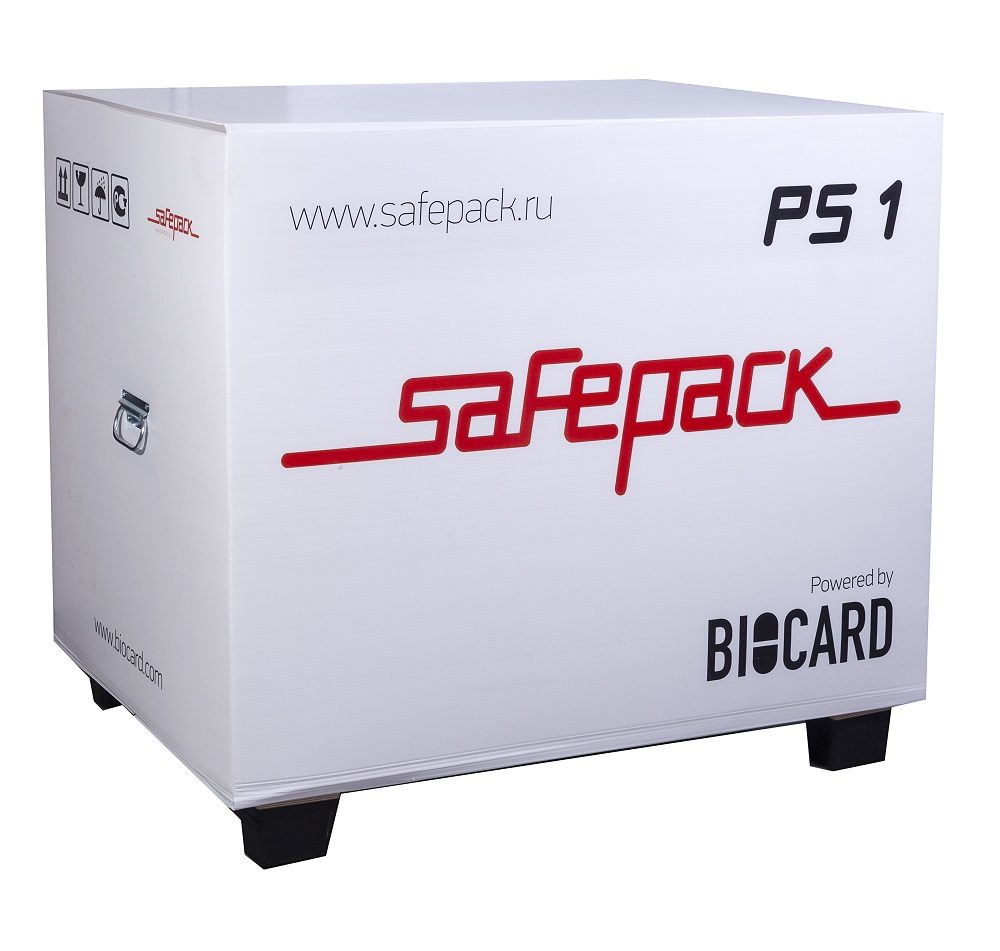
Delivery of diagnostic reagents, reference samples, laboratory chemicals and research materials, with shipment-specific temperature and document checks.
A reagent shipment starts with the product’s identity and handling requirements. Diagnostic kits, certified reference samples, laboratory chemicals and active ingredients can differ in temperature range, stability, packaging and hazard classification. We ask for the technical information before selecting the route and equipment.
For temperature-sensitive materials we use an agreed SafePack thermal container configuration and a temperature logger. Frozen and dry-ice shipments are assessed for the specific product and route. Our team coordinates the transport, any required customs checks and, where appropriate, storage; it does not treat every laboratory chemical as a standard medical parcel.
Provide the product name, batch, quantity, expiry date and manufacturer’s transport range. State whether the shipment can tolerate freezing or needs protection from light.
Describe the material, intended use, recipient and purpose of the shipment. A research or sample label does not by itself determine transport or customs requirements.
Send the safety data sheet, composition and any applicable UN number. The team confirms classification, packaging, marking, documentation and carrier acceptance before dispatch.
Confirm the required temperature, sample packaging and route duration. Dry ice needs appropriate handling and air-carriage preparation; the warehouse performs the initial loading.
The selected temperature range follows the manufacturer’s instructions. SafePack containers operate without an external power supply, and a logger records conditions along the route. Holding time depends on the model, coolant configuration, load and test conditions. For dry-ice shipments, the manager agrees the route duration and any replenishment arrangements.
Send the product description, quantities, sender and consignee details, weights and dimensions, the safety data sheet where relevant, and any available batch or quality documents. International consignments also require a check of invoices, purpose of shipment and permits. The exact list is confirmed for the specific cargo and route.
Use the domestic delivery calculator for an eligible standard consignment. Dangerous-goods surcharges, dry ice and other options follow the published tariff terms. International and non-standard tasks are quoted individually after the document and acceptance checks.
Yes, subject to confirmation of the specific product and route. Send the manufacturer’s temperature range and handling requirements so the team can select the container, logger and transport option.
No. Classification depends on the actual substance and composition. A safety data sheet and any applicable UN number help the team confirm transport requirements and carrier acceptance.
The logger records conditions along the route. Readings are retrieved through receivers or a compatible phone, and the report is available once attached to the order. This is not a guarantee of a continuous live stream from every location.
Send the origin and destination, cargo description, required temperature, piece count, actual weight and outer dimensions. You can ask a question or get an estimate before formal onboarding. The domestic delivery calculator uses the published Russian tariff; international routes, storage and special handling are quoted for the actual task.
Under the public transport offer, acceptance is signed through electronic document exchange before the first transport order. A registration link is then sent to the email in the acceptance, and orders are placed in the client account. If you have no electronic signature or need different contract terms, the manager agrees the contract route. Storage is arranged separately. How to start working with BIOCARD →
Equipment is selected for the cargo, route and conditions. The stated holding time of up to 96 hours applies to selected tested SafePack configurations; it is not a guarantee for every model, load or dry-ice shipment. The manager can provide the test report for the relevant model and range by email. Temperature reports in the client account are available once attached to the order.
Classify the shipment, confirm acceptance and prepare medical dangerous goods for road or air transport.
Dry-ice shipments at −70 °C; highly specialised liquid-nitrogen transport in Dewar vessels is arranged on request.
Collect and deliver laboratory samples from a single test tube, with shipment-specific packaging and temperature control.